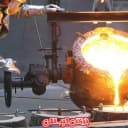
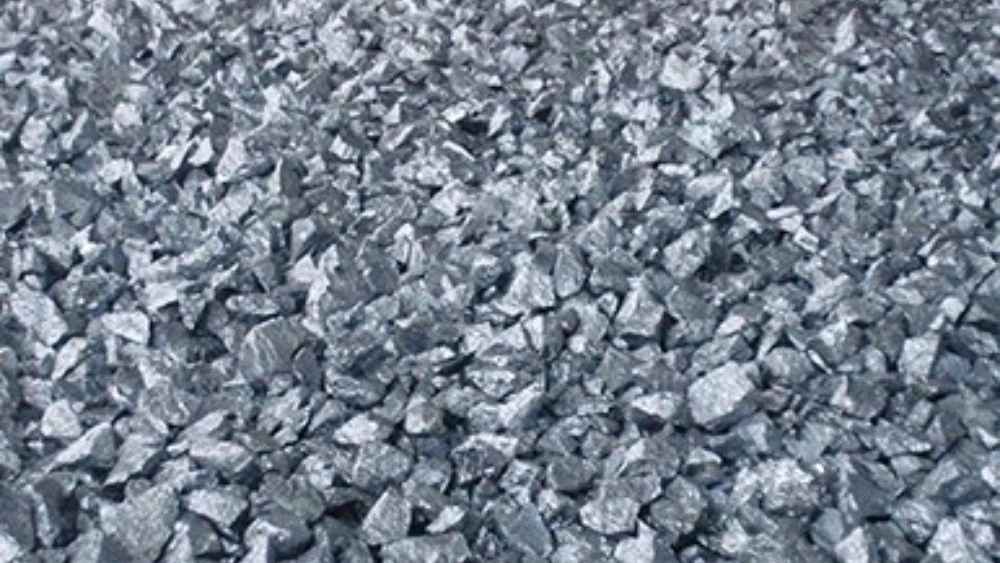
Another use of silicon metal in various industries is the use of silicon as a secondary additive in the manufacture of photonic devices and in the manufacture of industrial refractories. Silicon metal is usually produced by melting in electric arc furnaces, which is an energy-intensive process. Further processing of materials to different product grades makes it usable in many industrial processes.
Silicon metal is a shiny, gray semiconducting metal used to make steel, solar cells, and microchips. Silicon is the second most abundant element in the earth's crust (after oxygen) and the eighth most common element in the world. Nearly 30% of the weight of the earth's crust can be attributed to silicon metal.
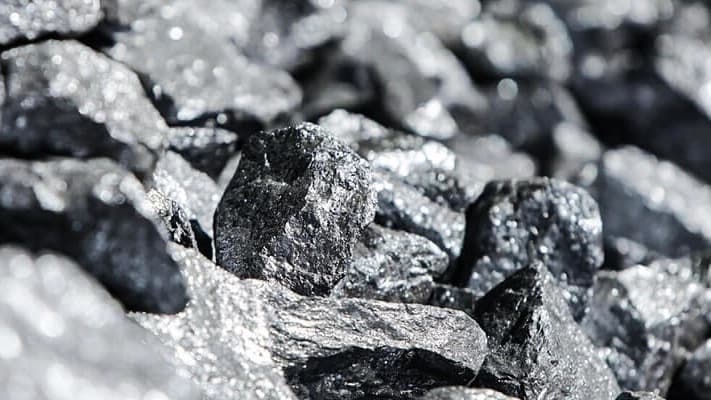
This element with atomic number 14 is naturally present in silicate minerals such as silica, feldspar and mica, which are the main components of common rocks such as quartz and sandstone. Silicon is a semi-metal (or metalloid), having some common properties of both metals and non-metals.
Properties of silicone metal
Atomic symbol: Si Atomic number: 14 Element Category: Metalloid Density: 2.329 grams per cubic centimeter Melting point: 2577 degrees Fahrenheit (1414 degrees Celsius) Boiling point: 5909 degrees Fahrenheit (3265 degrees Celsius) Difficulty: 7
Unlike most metals, silicon contracts in the liquid state and expands as it solidifies. It has a relatively high melting and boiling point, and when it crystallizes, it forms a diamond-shaped cubic crystal structure.
For silicon's role as a semiconductor and its use in electronics, the element's atomic structure is critical, containing four valence electrons that allow silicon to bond easily with other elements.
Metal silicone production history
The initial production of ferrosilicon was done in blast furnaces by reducing silicon-containing ores with charcoal, which resulted in silver iron (ferrosilicium with a silicon content of up to 20%).